Discover the difference between stamped and stained concrete. Learn which decorative concrete option best suits your home’s style, durability, and budget.
The body content of your post goes here. To edit this text, click on it and delete this default text and start typing your own or paste your own from a different source.
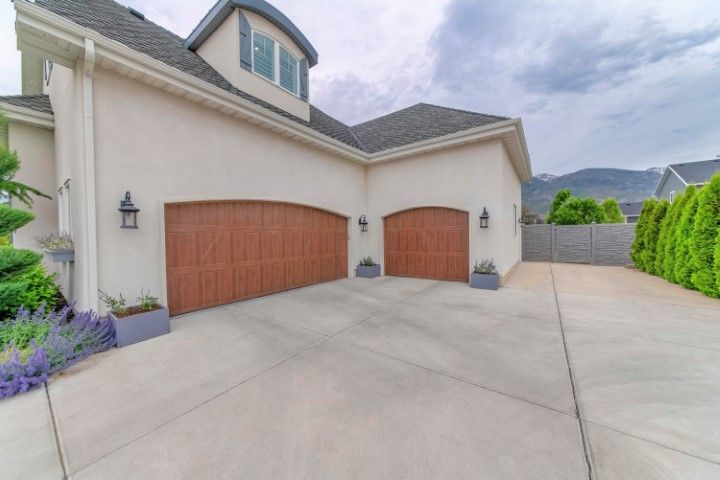
Your concrete driveway plays a major role in your property’s curb appeal, safety, and functionality. Over time, exposure to weather, heavy vehicles, and everyday wear can cause damage that affects both appearance and performance. Knowing when to repair minor issues — or replace your driveway entirely — can save money and prevent further damage. Here are the most common signs it’s time to repair or replace your concrete driveway. 🔍 1. Cracks That Are Widening or Spreading Small hairline cracks are normal as concrete ages, but larger cracks can signal deeper structural issues. Warning Signs: Cracks wider than ¼ inch Multiple cracks forming patterns Cracks that continue to grow Repair or Replace? Minor cracks → Repair Large or expanding cracks → Possible replacement 🧱 2. Pitting, Spalling, or Flaking Surface Spalling occurs when the surface layer of concrete flakes or chips away, often due to moisture infiltration or poor installation. Why It’s a Problem: Weakens the surface Creates tripping hazards Accelerates deterioration Repair or Replace? Light surface damage → Resurfacing or repair Extensive spalling → Replacement may be needed 🌊 3. Pooling Water or Poor Drainage A properly installed concrete driveway should allow water to drain away efficiently. Signs of Drainage Issues: Standing water after rain Sloped areas causing runoff toward the home Water seeping into cracks Repair or Replace? Minor grading issues → Repair Significant slope problems → Replacement recommended 🚗 4. Uneven or Sunken Sections Soil erosion or poor compaction beneath the driveway can cause sections to sink or lift. Common Causes: Heavy vehicle loads Water erosion Weak base material Why It Matters: Uneven concrete is a tripping hazard and can damage vehicles. Repair or Replace? Small sections → Leveling or slab lifting Multiple sunken areas → Replacement often more cost-effective 🌿 5. Weeds Growing Through Cracks Weeds sprouting through cracks indicate that moisture and soil have penetrated beneath the concrete. Why This Is Concerning: Accelerates cracking Weakens the foundation Creates unsightly appearance Repair or Replace? Isolated areas → Crack sealing Widespread growth → Replacement may be necessary 🧯 6. Significant Staining or Discoloration Oil stains, rust, and chemical discoloration can detract from your driveway’s appearance. When It’s More Than Cosmetic: Deep stains that won’t clean Surface damage accompanying discoloration Signs of chemical erosion Repair or Replace? Cosmetic issues → Resurfacing or sealing Structural damage → Replacement 🚧 7. Frequent Repairs That Don’t Last If you’re constantly repairing cracks or patching damaged areas, it may be time to consider a full replacement. Cost Comparison: Ongoing repairs add up over time Replacement offers long-term durability New concrete improves property value Pro Tip: A new driveway can last 30 years or more with proper installation and maintenance. 🏡 8. Your Driveway Is 20–30+ Years Old Even well-maintained concrete has a lifespan. Older driveways may no longer meet safety or appearance standards. Signs of Aging Concrete: Faded or dull surface Reduced load capacity Increased cracking Replacement Benefit: Modern concrete offers better strength, finishes, and drainage solutions. 🛠️ Repair vs. Replacement: What’s Right for You? Condition Best Solution Minor cracks Repair Surface wear Resurfacing Drainage issues Replacement Structural failure Replacement Multiple sunken sections Replacement A professional inspection can help determine the most cost-effective option. Conclusion Your concrete driveway is a key part of your property’s safety and appearance. Recognizing the signs of damage early allows you to make informed decisions — whether that means repairing minor issues or investing in a full replacement for long-term durability.
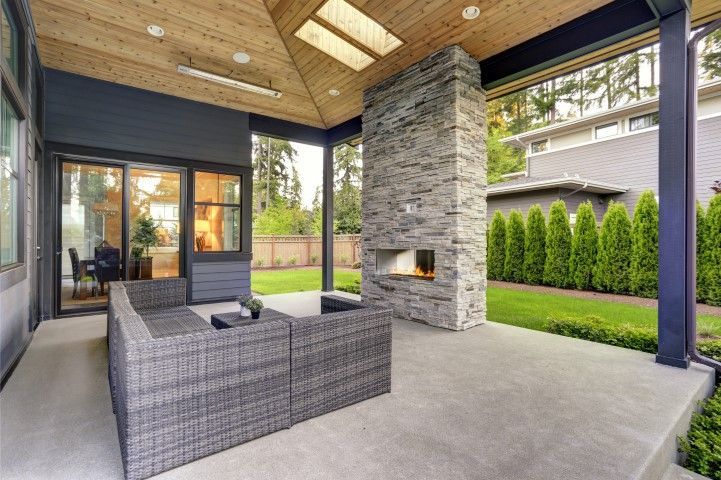
If you’re looking to elevate your Windsor, CA backyard, a custom concrete patio is one of the most stylish and durable upgrades you can make. Concrete offers endless design possibilities — from natural stone looks to sleek, modern finishes — all while standing up to Sonoma County’s warm summers, cool evenings, and year-round outdoor living lifestyle. Whether you want a cozy retreat, an entertainment hub, or a family-friendly hangout, here are the top concrete patio ideas to transform your Windsor backyard. 🧱 1. Stamped Concrete for a Natural Stone Look Stamped concrete is one of the most popular patio choices in Windsor for its beauty and affordability. It mimics the appearance of high-end materials without the cost or maintenance. Popular Stamped Designs: Flagstone Slate Brick Cobblestone Wood plank patterns Why It Works in Windsor: Stamped concrete holds up beautifully against warm temperatures and outdoor foot traffic while giving your yard a custom, polished look. 🎨 2. Stained Concrete for Rich, Custom Color Stained concrete adds depth and character to your patio with earthy tones, vibrant shades, or natural stone-inspired hues. Benefits of Stained Concrete: UV-resistant colors ideal for sunny backyards Complements Windsor’s natural landscape Easy to maintain Works with existing patios or new installations Pro Tip: Water-based stains offer beautiful, semi-transparent color perfect for modern or rustic outdoor styles. 🪨 3. Exposed Aggregate for Texture & Slip Resistance Exposed aggregate concrete is created by revealing the stones or pebbles within the concrete mix. The result is a highly decorative and slip-resistant surface. Ideal For: Poolside patios Outdoor dining spaces High-traffic walkways Homes with a natural or rustic aesthetic Why Windsor Homeowners Love It: Its durability and traction make it perfect for families, pets, and year-round backyard use. 🔳 4. Modern Smooth Concrete for Contemporary Designs If your Windsor home leans toward a clean, modern aesthetic, a smooth concrete patio delivers a sleek and minimalist look. Features of Modern Concrete Patios: Crisp lines Smooth finishing Large poured slabs Neutral gray tones or custom color Perfect For: Modern farmhouses Newer construction homes Outdoor kitchens Fire pit seating areas 🔥 5. Concrete Patios with Built-In Fire Pits Fire pits are a must-have feature in Windsor backyards, especially for cool Sonoma County nights. Concrete pairs perfectly with built-in fire features. Advantages: Seamless look Weather-resistant materials Safe, stable base Custom shapes and sizes Pro Tip: Combine a stamped concrete patio with a matching fire pit for a cohesive outdoor living space. 🪑 6. Multi-Level Concrete Patios Sloped or uneven backyards are common in Sonoma County. A multi-level concrete patio turns this challenge into a stunning design feature. Benefits: Creates distinct outdoor “zones” Adds dimension and visual appeal Perfect for dining, lounging, and entertaining Works beautifully with hillside landscaping Pro Tip: Add built-in concrete seating or planters for a high-end finishing touch. 🌼 7. Concrete Patios with Decorative Borders A decorative border can take a standard patio from simple to standout. Borders add contrast and help define your outdoor space. Border Ideas: Stamped edges Contrasting concrete colors Exposed aggregate bands Brick-like impressions Why It’s Great for Windsor Homes: Borders enhance curb appeal and pair well with Sonoma County landscaping styles. 🌱 8. Integrate Landscaping Into Your Concrete Patio Design Concrete pairs beautifully with natural elements. Incorporating greenery around or inside your patio boosts both comfort and curb appeal. Ideas to Combine Concrete & Landscaping: Built-in planters Concrete stepping stones through garden beds Patio cutouts for trees Decorative gravel accents Pro Tip: Choose drought-tolerant plants to suit Windsor’s warm summers. 🛠️ 9. Add Outdoor Kitchen or BBQ Features Outdoor cooking spaces are growing in popularity throughout Sonoma County. Concrete makes the perfect base for a functional and stylish outdoor kitchen. Benefits: Fire-resistant Easy to clean Supports heavy appliances Compatible with grills, counters, and bar seating Add task lighting and a pergola for the ultimate backyard upgrade. Conclusion A well-designed concrete patio can completely transform your Windsor backyard, adding beauty, functionality, and long-lasting durability. Whether you prefer the elegance of stamped concrete, the modern look of smooth slabs, or the natural feel of exposed aggregate, concrete offers endless design options tailored to California outdoor living.
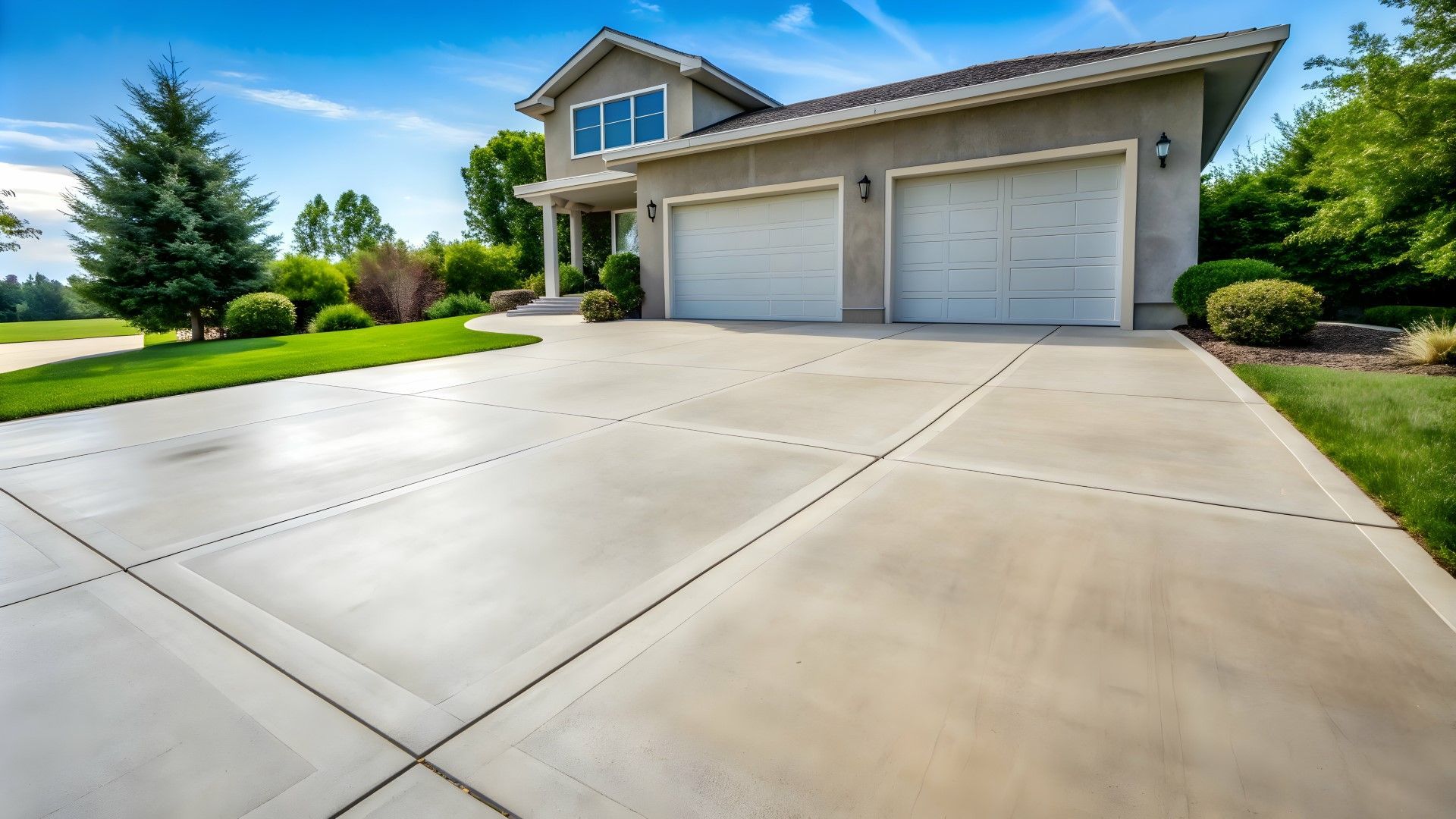
The body content of your post goes here. To edit this text, click on it and delete this default text and start typing your own or paste your own from a different source.
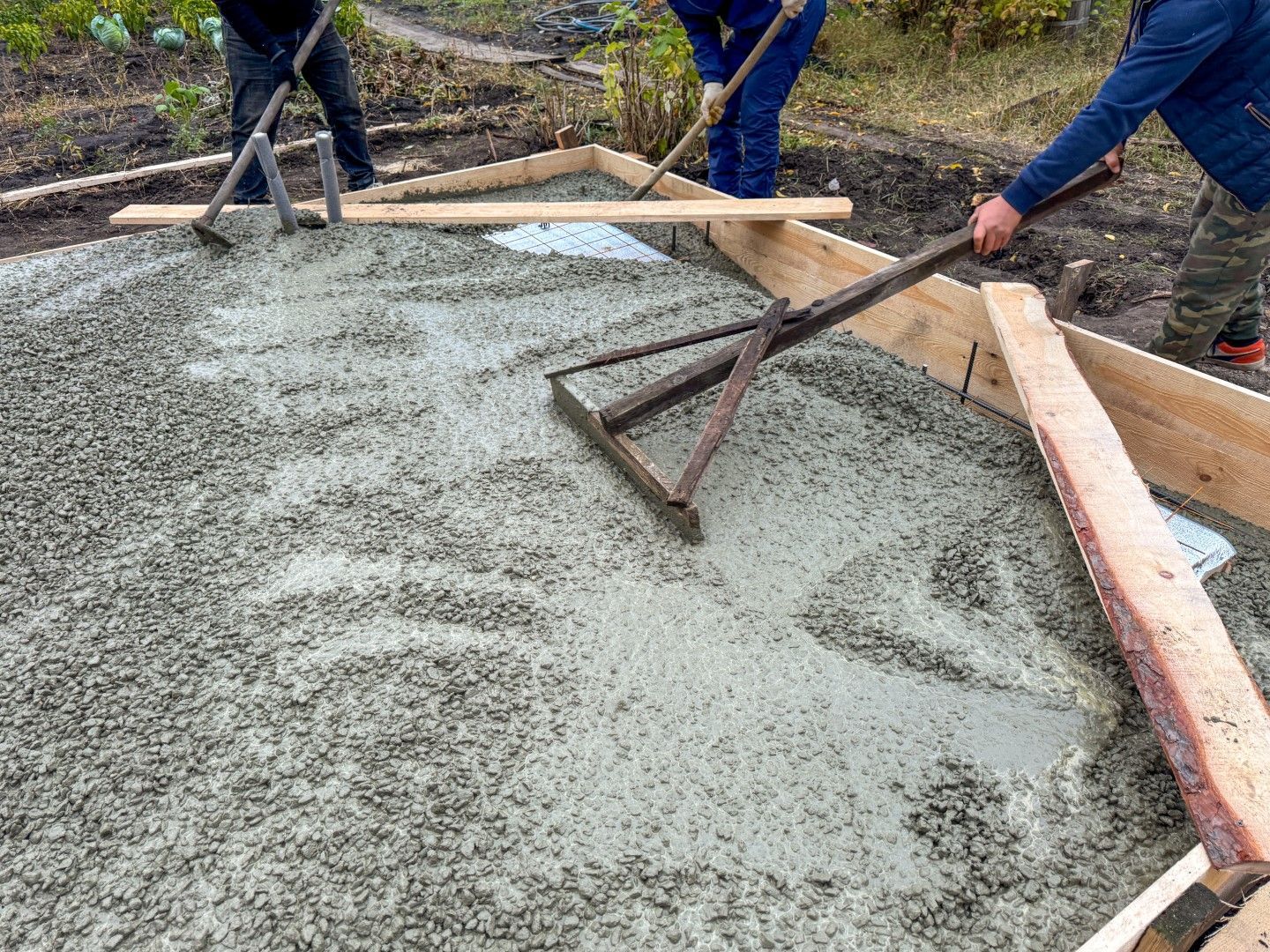
The body content of your post goes here. To edit this text, click on it and delete this default text and start typing your own or paste your own from a different source.
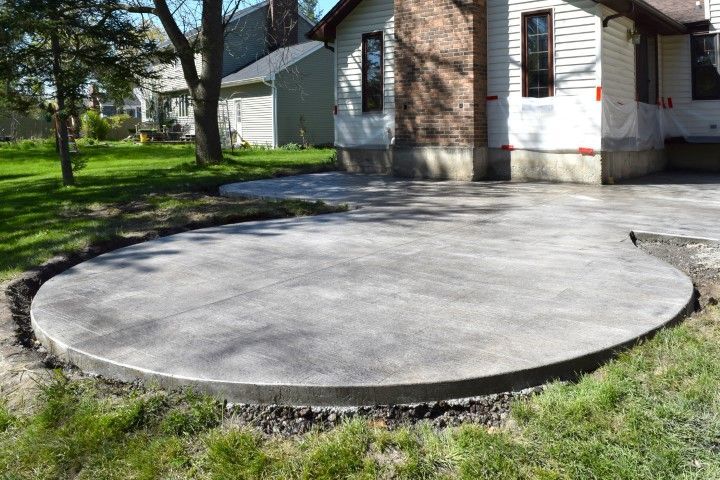
Sustainability is no longer just a trend, it’s a way of life for many homeowners in Sonoma County, CA. From solar energy to drought-tolerant landscaping, eco-conscious living is shaping how homes are built, renovated, and maintained. But there’s one area where many people don’t realize they can make a difference: concrete. Concrete is one of the most widely used building materials in the world and it’s also evolving to become stronger, greener, and more sustainable. If you’re building or remodeling in Sonoma County, here’s how you can make your project both durable and environmentally responsible with eco-friendly concrete options. 1. Recycled Aggregate Concrete Recycled aggregate concrete replaces a portion of traditional gravel and sand with crushed concrete, stone, or glass from demolition and construction waste. Why It’s Eco-Friendly: Reduces landfill waste by repurposing old materials. Lowers the demand for new raw materials. Performs just as well as standard concrete for driveways, patios, and foundations. Local Advantage: Using recycled aggregates sourced within Sonoma County further reduces transportation emissions, keeping your project both sustainable and local. 2. Supplementary Cementitious Materials (SCMs) Traditional concrete uses Portland cement, which produces significant CO₂ emissions during manufacturing. By partially replacing cement with SCMs like fly ash, slag, or silica fume, builders can dramatically reduce concrete’s carbon footprint. Benefits of SCMs: Uses industrial by-products that would otherwise go to waste. Enhances concrete strength and durability. Improves resistance to moisture and cracking. Pro Tip: Ask your concrete contractor about mixes that use 20–40% SCMs — a perfect balance for eco-friendly home construction in Sonoma County without sacrificing performance. 3. High-Performance and Long-Life Concrete Sometimes, the greenest option isn’t about using less — it’s about using better materials that last longer. High-performance concrete (HPC) is engineered to be more durable, reducing the need for frequent repairs or replacements. Sustainability Benefits: Extends the life of driveways, patios, and foundations. Reduces long-term material and energy consumption. Withstands Sonoma County’s weather fluctuations and seismic activity. Durability equals sustainability — less replacement, less waste, and fewer resources used over time. 4. Pervious (Permeable) Concrete for Water Conservation Water management is a major concern in California’s drought-prone regions, including Sonoma County. Pervious concrete, also known as permeable or porous concrete, allows rainwater to seep through and return to the soil, reducing runoff and promoting groundwater recharge. Why It’s Ideal for Sonoma County Homes: Reduces water runoff and flooding. Filters pollutants naturally before water reaches local waterways. Supports drought-tolerant landscaping and sustainable drainage systems. Applications: Perfect for driveways, walkways, and patios — especially in areas where local regulations encourage stormwater management and sustainability. 5. Locally Sourced and Low-Carbon Concrete Mixes Choosing locally sourced concrete minimizes transportation-related emissions and supports Sonoma County businesses. Many modern concrete suppliers also offer low-carbon mixes that reduce cement content and utilize recycled water during production. Environmental Benefits: Lowers CO₂ emissions from production and transport. Reduces energy use during mixing and curing. Supports the local green building economy. Pro Tip: When planning your next concrete project, ask your contractor for EPD-certified (Environmental Product Declaration) materials to ensure verified sustainability standards. 6. Integrating Concrete with Sustainable Design Eco-friendly concrete isn’t just about the mix — it’s about how it’s used. Pairing concrete with sustainable design principles enhances both form and function. Smart Design Ideas for Sonoma County Homes: Combine pervious concrete with native landscaping to manage stormwater. Use light-colored (reflective) concrete to reduce heat absorption and keep outdoor spaces cooler. Integrate solar-powered lighting and recycled stone borders for added efficiency and beauty. Concrete’s thermal mass properties can also help regulate indoor temperatures, improving overall energy efficiency.
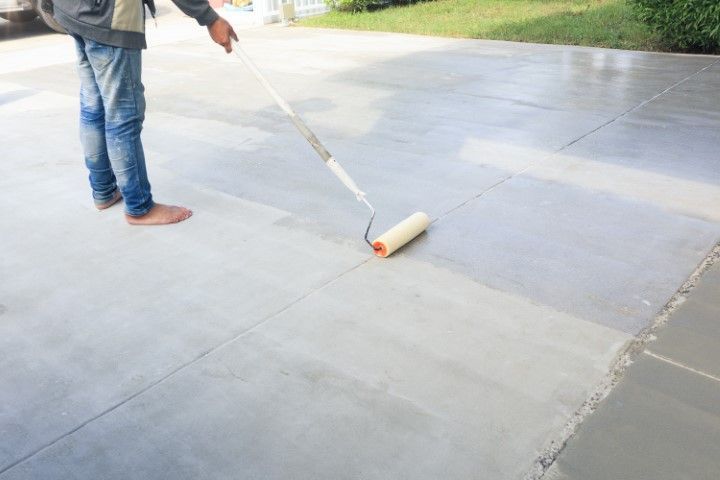
Concrete is one of the most durable building materials around, but even the strongest surfaces can wear down over time — especially under the influence of weather. In Windsor, CA, homeowners and business owners experience a mix of warm summers, cool winters, and occasional heavy rain. These changing conditions can significantly affect how long your concrete surfaces last. Whether it’s a driveway, patio, walkway, or foundation, understanding how Windsor’s climate impacts concrete can help you take preventive steps to protect your investment and extend its lifespan. 1. Summer Heat and Sun Exposure Windsor’s warm, sunny summers can cause concrete to expand during the day and contract at night. Over time, this constant movement can lead to surface cracks and structural stress. How It Impacts Concrete: Prolonged UV exposure can cause fading or discoloration. Dry heat can lead to shrinkage cracks in newly poured concrete. Temperature fluctuations accelerate wear and tear. Pro Tip: Applying a UV-resistant sealer helps protect concrete surfaces from sun damage and prevents moisture loss during the hot months. 2. Rainfall and Moisture Penetration While Windsor doesn’t experience heavy rain year-round, the winter season brings periodic storms and high humidity. Excessive moisture can seep into porous concrete, leading to erosion, cracking, and mold growth. How It Impacts Concrete: Water infiltration weakens internal structure over time. Standing water can stain or cause surface deterioration. Freeze-thaw cycles (rare but possible) can cause cracking. Pro Tip: Ensure your concrete surfaces are properly graded to allow for drainage and water runoff, especially in driveways and patios. Regular resealing keeps water from penetrating deep into the slab. 3. Temperature Fluctuations Windsor’s Mediterranean climate brings mild winters and warm days — but even moderate temperature swings can cause concrete to expand and contract, especially when exposed to direct sunlight during the day and cool air at night. Result: Micro-cracks form over time, which can lead to larger fractures if not addressed early. Pro Tip: Inspect your concrete surfaces annually and repair small cracks before they widen. Sealing joints and surfaces helps reduce thermal stress. 4. Wind and Airborne Debris The occasional strong winds that sweep through Sonoma County can carry dirt, sand, and debris that gradually wear down the surface of exposed concrete. How It Impacts Concrete: Tiny abrasions dull the finish over time. Debris buildup traps moisture against the surface. Pro Tip: Power wash your concrete surfaces periodically to remove dirt, grime, and organic buildup that could contribute to erosion. 5. Preventative Maintenance: The Key to Longevity Windsor’s weather may challenge your concrete surfaces, but with proper maintenance, you can extend their lifespan for decades. Maintenance Checklist: Seal every 2–3 years with a quality concrete sealer. Repair cracks immediately to prevent water infiltration. Maintain proper drainage around patios and driveways. Schedule annual professional inspections. A local Windsor concrete company understands the specific climate challenges and can recommend the best sealers, mixes, and maintenance practices to protect your surfaces year-round. From summer heat to winter rain, Windsor’s weather can have a lasting impact on the longevity of your concrete. But with the right care — including sealing, cleaning, and timely repairs — you can preserve your driveway, patio, or walkway for decades.
The body content of your post goes here. To edit this text, click on it and delete this default text and start typing your own or paste your own from a different source.